
How Condominium Associations Insure Coastal Buildings in North Carolina
Condominium insurance works differently from homeowners coverage. Learn how HOA master policies, HO-6 insurance, and storm damage claims work for coastal condominium buildings in North Carolina.
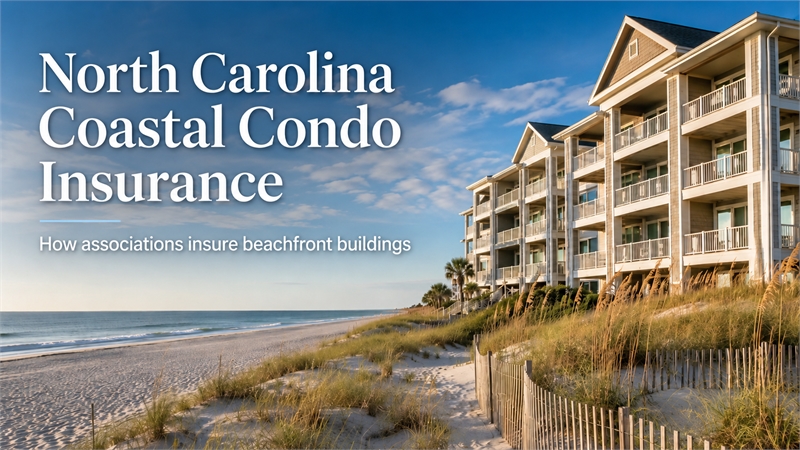
Coastal condominium insurance usually involves several layers of coverage, including the condominium association’s master policy for the building structure, the unit owner’s HO-6 policy for the interior of the unit, hurricane deductibles, and storm-related coverage questions. As a local North Carolina coastal property owner with multiple beachfront properties on barrier islands, including condominium units, I have firsthand experience with the insurance challenges that come with owning property near the ocean. Understanding how these policies work together is especially important after hurricanes, wind-driven rain, roof leaks, water intrusion, or other storm-related damage because it helps clarify the basic division of responsibility between the condominium association, the unit owner, and the insurance policies that may apply.
Why Insurance for Coastal Condominiums Works Differently
Owning a condominium near the coast offers many advantages. Coastal communities in places like Topsail Island, Surf City, and other parts of eastern North Carolina provide beautiful views, beach access, and a lifestyle centered around the ocean.
But condominium ownership also comes with a unique insurance structure that many buyers do not fully understand until a storm or property damage event occurs.
Unlike single-family homes, condominium buildings are insured through multiple layers of insurance coverage. A condominium association typically carries a master commercial insurance policy that insures the building structure, while individual unit owners maintain their own policies covering the interior of their units.
This shared structure means that when storm damage occurs—especially in coastal areas where hurricanes and tropical storms are common—insurance coverage may involve both the association’s policy and the individual unit owner’s policy.
Understanding how these policies work together is essential for anyone who owns, manages, or is considering purchasing a condominium in coastal North Carolina.
What Is a Condominium Association Master Insurance Policy?
A condominium association master insurance policy is a commercial property insurance policy purchased by the condominium association to insure the building structure and common areas.
Because condominium buildings may represent millions of dollars in property value, these policies typically involve large coverage limits and specialized insurance provisions.
The association’s master policy usually covers major structural components of the building, including:
• roofs
• exterior walls
• building framing
• elevators
• mechanical systems
• shared hallways and stairwells
• foundations
• exterior structural components
The master policy protects the overall building structure so that individual unit owners do not have to insure these elements themselves.
Instead, each owner carries a separate policy covering the interior portions of their unit.
This layered insurance structure is one of the defining features of condominium ownership.
What Is HO-6 Insurance for Condominium Owners?
Individual condominium unit owners typically carry a policy known as HO-6 insurance, sometimes called condominium insurance.
An HO-6 policy generally covers the interior components of the unit and the owner’s personal belongings.
This coverage may include:
• interior drywall
• flooring
• cabinets and countertops
• appliances
• fixtures and lighting
• personal property
• liability protection
HO-6 insurance can also provide coverage for additional living expenses if the unit becomes temporarily uninhabitable due to a covered event.
Because condominium owners typically do not insure the building structure itself, HO-6 policies focus primarily on the interior portion of the unit and personal property.
However, the exact scope of coverage may vary depending on the condominium declaration and the insurance policy wording.
Why Coastal Condominium Insurance Can Be Complex
Coastal condominium buildings face unique insurance challenges compared to inland properties.
Storm exposure, hurricane risk, and wind-driven rain can all affect how insurers evaluate coastal buildings.
As a result, condominium associations in coastal North Carolina often face:
• higher insurance premiums
• hurricane deductibles
• windstorm deductibles
• stricter underwriting requirements
In some cases, coastal condominium associations may also obtain coverage through specialized segments of the insurance market, including surplus lines insurers that specialize in higher-risk properties.
Because of these factors, insurance programs for coastal condominiums can be significantly more complex than standard homeowners insurance.
How Storm Damage Claims Are Handled in Condominium Buildings
When storm damage occurs in a condominium building, determining which insurance policy applies can sometimes be complicated.
Storm damage claims may involve:
• the association’s master policy
• the individual unit owner’s HO-6 policy
• deductible assessments
• building envelope damage
The determining factor is often where the damage occurred and what part of the building was affected.
For example:
If a hurricane damages the roof of a condominium building, the repair of the roof itself is typically covered under the association’s master policy.
However, if water from the damaged roof leaks into a unit and damages drywall, flooring, or personal belongings, those interior damages may involve the unit owner’s HO-6 policy.
Because multiple policies may apply to the same event, storm claims in condominium buildings often involve coordination between insurers.
How Water Intrusion Can Affect Multiple Units
One of the most challenging aspects of condominium storm damage is that water intrusion can travel far from the original entry point.
Water entering through the roof or exterior walls may move through:
• attic insulation
• framing cavities
• ceiling spaces
• mechanical chases
By the time the water becomes visible inside a unit, it may have traveled a significant distance from where it first entered the building.
In multi-story condominium buildings, water entering near the roof may appear as leaks in units several floors below.
Because of this, determining the exact source of water intrusion can sometimes require detailed inspection of the building envelope.
Why Building Envelope Maintenance Is So Important
The building envelope refers to the exterior components of a building that protect the interior from weather.
For condominium buildings, the building envelope typically includes:
• roofing systems
• flashing around penetrations
• exterior walls
• window systems
• door seals
• siding joints
Maintaining the building envelope is essential for preventing water intrusion during storms.
Even small vulnerabilities such as deteriorated sealant or aging flashing can allow wind-driven rain to enter the structure during coastal storms.
Regular inspections and proactive maintenance can help identify these issues before they lead to interior damage.
How Hurricane Deductibles Affect Condominium Associations
Many insurance policies for coastal properties include hurricane deductibles that are calculated as a percentage of the insured value of the building.
Unlike traditional deductibles that are fixed dollar amounts, hurricane deductibles are typically expressed as percentages.
For example:
A condominium building insured for $15 million with a 3% hurricane deductible would have a deductible of $450,000 before insurance coverage begins.
Because condominium associations must often absorb these deductibles before insurance pays for repairs, the financial impact of storms can be significant.
In some cases, condominium declarations allow associations to assess unit owners to cover portions of the deductible.
Why Coastal Condominium Associations Sometimes Use Surplus Lines Insurance
Traditional insurance companies sometimes limit their exposure to coastal storm risk.
When standard insurers restrict coverage options, condominium associations may obtain insurance through surplus lines or specialty insurers.
Surplus lines insurers specialize in covering risks that standard insurers may decline.
These markets commonly insure:
• coastal condominium associations
• commercial coastal buildings
• high-value coastal real estate
• properties with hurricane exposure
While surplus lines insurance may offer additional coverage options, these policies often involve higher premiums and stricter underwriting requirements.
Despite these trade-offs, surplus lines markets play an important role in ensuring that insurance coverage remains available for coastal properties.
Why Insurance Coverage Can Vary Between Condominium Communities
No two condominium communities have identical insurance programs.
Insurance coverage may vary depending on several factors, including:
• the age of the building
• construction materials
• proximity to the ocean
• claims history
• building size and value
Because of these variables, two condominium associations located in the same coastal town may have very different insurance structures.
Working with experienced insurance brokers who specialize in coastal properties can help associations navigate these complexities.
Questions Property Owners Often Ask About Condominium Insurance
Who is responsible for storm damage inside a condo unit?
Responsibility often depends on the condominium declaration and insurance policies involved.
The association’s master policy typically covers structural elements of the building, while the unit owner’s HO-6 policy usually covers interior finishes and personal belongings.
Does the HOA insurance policy cover roof leaks?
If the roof itself is damaged during a storm, repairs to the roof are typically handled by the association’s master insurance policy.
However, interior damages caused by the leak may involve the unit owner’s insurance policy.
Why do coastal condominium associations have high insurance premiums?
Coastal properties face greater exposure to hurricanes, strong winds, and storm damage.
Because insurers evaluate risk when setting premiums, properties located near the ocean typically have higher insurance costs than inland properties.
Can storm damage affect multiple condo units at once?
Yes.
Because condominium buildings share structural components, damage to the roof or exterior walls can sometimes affect multiple units within the building.
Water entering the building may travel through structural cavities before appearing inside individual units.
Why do some condominium associations carry multiple insurance policies?
Large condominium buildings may carry several types of insurance coverage.
These may include:
• master commercial property policies
• excess or umbrella coverage
• liability insurance
• specialty endorsements
Multiple policies help protect the building from different types of risk.
Why Understanding Condominium Insurance Matters for Coastal Property Owners
Insurance is one of the most important financial protections for condominium communities.
Coastal properties face unique risks from storms, hurricanes, and wind-driven rain, making it essential for property owners and associations to understand how insurance coverage works.
By learning how master policies and HO-6 coverage interact, unit owners can better understand their responsibilities and ensure they have adequate coverage in place.
Proactive maintenance, regular inspections, and clear communication between associations and owners can also help reduce the likelihood of costly damage when storms occur.
For anyone living in or considering purchasing a condominium along the North Carolina coast, understanding the basics of condominium insurance is an important step toward protecting both property and financial stability.
Keep reading